
Working at height can be difficult when the equipment does not suit the job. The wrong skylift crane may lack the required reach, exceed the available space or create delays that increase your total project cost.
However, choosing between a lorry, boom lift, scissor lift and mobile crane is not always simple. Each option serves a different purpose, while factors such as height, load, ground conditions and site access affect which machine will work best.
This guide explains how skylift crane services work and where each type of equipment fits. You will also learn what to check before hiring a company, how to meet key safety needs in Malaysia and how to choose a reliable local provider for your project.
What Is a Skylift Crane?
A skylift crane is a powered access machine that raises workers to high or hard-to-reach areas. It usually has a secure work platform attached to a lifting boom. Depending on the model, the boom may extend upwards, sideways or over an obstacle.
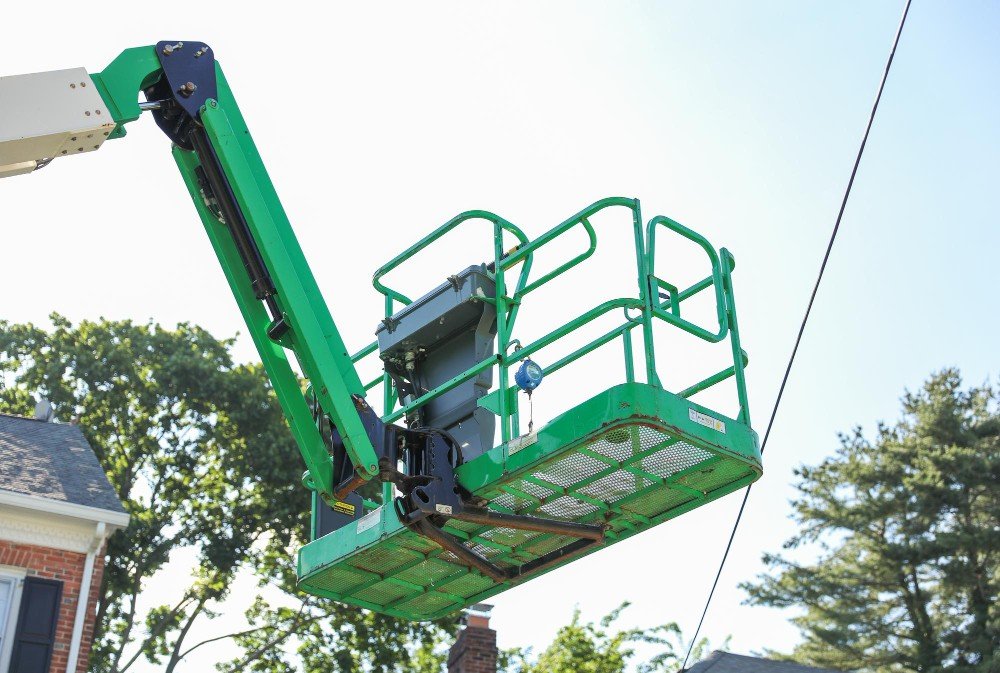
Workers can carry approved tools and light materials inside the platform. As a result, skylift crane services suit jobs such as building repairs, signboard installation, painting, electrical work and tree maintenance.
The term is common in Malaysia. However, a skylift and a crane perform different jobs. Knowing this difference helps you choose safe equipment and avoid paying for a machine that does not suit the task.
What Are Skylift Crane Services Used For?
Skylift crane services give workers safe access to high or difficult areas. They suit short jobs, changing work points and sites where scaffolding is not practical.
Construction Projects
Construction teams use skylifts for painting, cladding, roof work and final inspections. The platform helps workers move between high work points with less set-up time.
Building Maintenance
Skylifts support facade cleaning, gutter repairs, window work and leak checks. They help maintenance teams reach tall buildings without installing large scaffolds.
Signboard Installation
Installers use skylifts to fit, clean and repair signboards at height. The platform keeps workers and approved tools close to the fixing point.
Electrical and Lighting Work
Electricians use skylifts to repair streetlights, high-level wiring and overhead fittings. The team must control electrical hazards and maintain a safe distance from live cables.
Industrial and Infrastructure Projects
Factories and public sites use skylifts for roof checks, pipework and equipment inspections. Proper planning helps teams work around traffic, machinery and restricted areas.
Outdoor Maintenance
Skylifts suit tree trimming, banner fitting, camera work and festive lighting. Operators must check the ground, weather and falling-object risks before raising the platform.
Types of Skylift and Lifting Equipment
Each type of lifting equipment suits a different site and task. Compare its reach, movement, capacity and space needs before making a choice.
Lorry Skylift
A lorry skylift has a work platform and boom fitted to a road-going lorry. It suits outdoor jobs that require fast travel between several locations.
Truck-Mounted Skylift
A truck-mounted skylift provides high access from a stable vehicle base. Models differ in working height, horizontal reach, basket capacity and stabiliser space.
Boom Lift
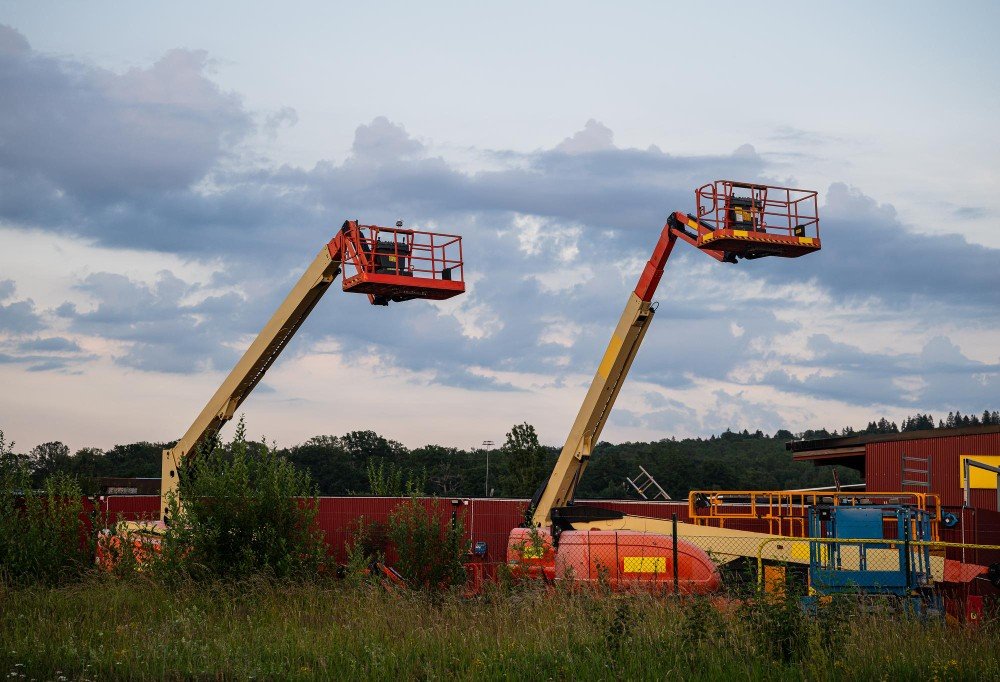
A boom lift uses an extending or jointed arm to reach high and awkward areas. It can work over walls, roofs and other obstacles when the site has enough space.
Scissor Lift
The scissor lift uses the principle of raising a large working platform in an upright vertical plane. The scissor lift is ideally suited to use on hard, flat floors in factories, shopping complexes and indoor construction sites.
Mobile Crane
The mobile crane is suitable for lifting heavy loads using a hook, sling or other lifting appliance. However, it is not a substitute for a regular work platform.
How to Choose the Right Skylift Crane for Your Project
The right crane skylift must match the task, site and working conditions. Check the following factors before asking a skylift company for a quote.
Required Working Height
Measure the height from the ground to the actual work point. Choose a skylift that reaches this level without forcing workers to stretch or climb on the platform rails.
Horizontal Reach
Check how far the platform must extend from the machine to the work area. Walls, drains, roofs and canopies may increase the horizontal reach needed.
Load and Capacity
Add the weight of every worker, tool and material placed in the basket. The combined weight must stay within the platform’s rated capacity at all times.
Site Access
Measure gates, roads, turning areas and the route to the set-up point. Also check height limits, parked vehicles, trees and overhead cables.
Ground Conditions
The surface must support the vehicle, stabilisers and working load. Check for slopes, soft soil, drains, basements and hidden voids before setting up the skylift.
Project Duration
A lorry skylift often suits short jobs or several stops in one day. A boom lift or scissor lift may offer better value for longer work on one site.
Mobility Requirements
Consider how often the equipment must move between work areas. Truck-mounted units suit separate locations, while self-propelled lifts work well within a controlled site.
Operator and Competency Requirements
Confirm who will operate the skylift and whether the hire includes a trained operator. The operator should understand the machine, site rules, daily checks and the emergency lowering process.
Skylift Crane Safety Requirements in Malaysia
Skylift crane work in Malaysia must follow the Occupational Safety and Health Act 1994 and any rules that apply to the machine and site. Before work begins, the team should assess risks such as falls, weak ground, traffic, power lines and bad weather.
Key safety checks include:
- Use a trained and competent operator.
- Inspect the machine before each job.
- Confirm that required certificates are valid.
- Set stabilisers on firm ground.
- Stay within the basket’s rated load.
- Wear the required safety equipment.
- Create a barrier around the work area.
- Prepare an emergency rescue plan.
The provider and site safety team should confirm the latest requirements for the exact equipment and task.
What Should You Check Before Hiring a Skylift Company?
A reliable skylift company should provide suitable equipment, skilled operators and clear rental terms. Check these points before you confirm your booking.
Equipment Availability
Confirm that the required skylift model is available on your project dates. Ask whether the company can provide a replacement if the machine breaks down.
Equipment Condition
Request details about servicing, inspections and maintenance. The machine should arrive clean, safe and free from leaks or damaged parts.
Operator Experience
Check whether the rental includes a trained operator. The operator should have experience with the machine, site type and work involved.
Service Area
Confirm that the company covers your project location. Also ask about delivery charges, travel time and support in nearby areas.
Safety Practices
Choose a provider that asks about height, load, access and ground conditions. It should explain the required set-up, safety checks and weather limits.
Pricing and Rental Terms
Request a written quote that lists rental hours, operator fees, transport and overtime charges. Check the cancellation, breakdown and bad-weather terms before signing.
Skylift Near Me: How to Choose a Reliable Local Provider
Searching for a skylift near me can reduce travel time and delivery costs. Still, you should compare each provider before making a booking.
Check the Service Area
Confirm that the company serves your project location and can arrive on time. Ask about transport charges, travel limits and support in nearby areas.
Review the Equipment Range
Choose a provider with skylifts in different heights and capacities. A varied fleet makes it easier to match the machine to your site.
Read Recent Customer Reviews
Look for reviews that mention punctuality, equipment condition and operator skill. Avoid judging a company by its overall rating alone.
Ask About Safety
A reliable provider should ask about height, access, load and ground conditions. It should also explain inspections, set-up needs and safety controls.
Compare Written Quotes
Request a clear quote before confirming the rental. Check the hire period, operator fees, delivery costs, overtime and cancellation terms.
Why Professional Skylift Services Can Improve Project Efficiency
Professional skylift services provide suitable equipment and skilled operators for work at height. The right machine can reach the work area with less set-up time than large scaffolding.
An experienced supplier will match the skylift to the necessary height, reach, and access to the site. This eliminates any possibility of problems associated with inappropriate or inadequately maintained equipment.
Experienced operators will be able to position the platform correctly and assist in moving personnel from one location to another. Thus, the project will be able to save time and money.
Skylift Crane vs Conventional Crane: Are They the Same?
No. A crane skylift provides access for workers, while a conventional crane lifts heavy loads.
| Feature | Skylift Crane | Conventional Crane |
| Main purpose | Raises workers to high areas | Lifts and moves heavy loads |
| Lifting method | Guarded work platform | Hook, sling or lifting attachment |
| Common uses | Repairs, cleaning, painting and sign work | Steel, machinery and building materials |
| Carries workers | Yes, within the rated basket capacity | Not during normal lifting work |
| Best for | Safe access at height | Moving heavy objects |
| Key limit | Platform height, reach and basket load | Load weight, boom length and working radius |
Choose a skylift when workers need to reach a high work area. Choose a conventional crane when the project involves lifting heavy materials or equipment.
Common Projects That Require Skylift Crane Services
Skylift crane services support many projects that need safe access to high or difficult areas. Common examples include:
- Building Maintenance: Facade cleaning, gutter repairs, roof checks and window work.
- Construction Work: Painting, cladding, sealing and final building inspections.
- Signboard Projects: Installing, repairing, cleaning or removing signs and banners.
- Electrical Work: Servicing streetlights, overhead wiring and high-level fittings.
- Industrial Maintenance: Inspecting factory roofs, pipes, tanks and warehouse equipment.
- Tree Care: Trimming branches and removing dead growth from tall trees.
- Event Set-Up: Installing lighting, decorations, cameras and outdoor displays.
- Infrastructure Work: Inspecting bridges, transport sites and public facilities.
Why the Right Skylift Matters for Project Cost and Efficiency
A skylift that is too small may not reach the work area or carry the required tools. This can cause delays, extra rental days and the cost of ordering another machine.
However, an oversized skylift may cost more and require extra space for parking and stabilisers. It may also struggle to enter a narrow or busy project site.
The right skylift matches the required height, side reach, basket load and ground conditions. This helps workers complete more tasks during the rental period while keeping project costs under control.
Skylift Selection Checklist
Use this checklist before booking a skylift crane for your project:
- Measure the required working height.
- Check the horizontal reach to the work area.
- Add the weight of workers, tools and materials.
- Measure gates, roads and turning areas.
- Check for trees, roofs and overhead cables.
- Confirm there is enough stabiliser space.
- Inspect the ground for slopes, drains and soft soil.
- Decide how often the machine must move.
- Confirm the project dates and working hours.
- Ask whether a trained operator is included.
- Request equipment inspection and maintenance records.
- Plan barriers, traffic control and emergency steps.
- Compare written quotes and rental terms.
- Confirm overtime, cancellation and delivery charges.
Conclusion
Selecting the appropriate skylift crane requires a proper understanding of the job as well as the environment. The equipment should be able to offer the required height and side reach as well as be able to manoeuvre within the available pathway. In addition, it should be able to lift the labourers and all other materials without going beyond its capacity.
Environmental strength, duration of the work and transfer from one location to another might be other considerations when selecting the equipment. Before hiring, compare the condition of the machinery, expertise of the operators, as well as the rental charges. An appropriate skylift can save time and money in addition to improving efficiency in the process.