
Doing construction at height means taking your life at risk. That’s why analysing the ground conditions, building layout, and the equipment that helps you do the job safely and efficiently at height can matter most.
Looking for a Skylift rental in Puchong requires proper planning, as delays can affect costs and even worker safety. This equipment helps you maintain a building, install electrical fittings, or trim trees.
We discuss the key things here that help you decide to pick the right one. This guide includes the types, challenges, cost of the right ones, and the difference between skylifts vs. scaffolding for modern projects.
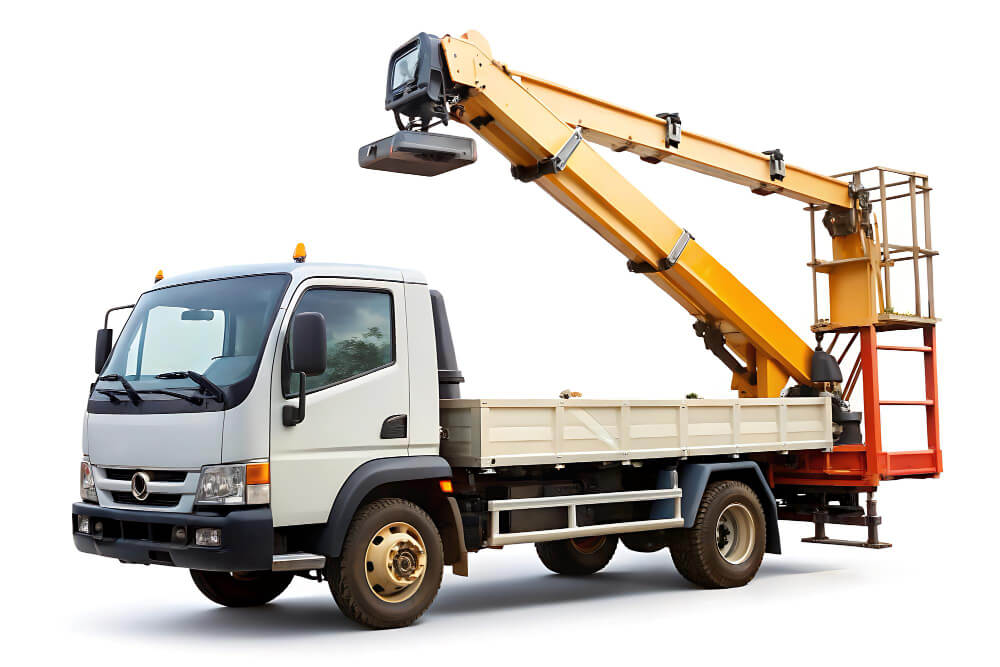
Why Skylift Selection Matters for Project Success
The wrong ones can cause deadly safety risks and even add extra costs. Even the size of the lift can matter; that’s why before selecting any one, you must check out your spaces. The wrong one can create trouble reaching your workspaces.
Selecting the right lift from the beginning keeps your project on time, protects your workers, and reduces the chance of an accident. It does not affect your pocket.
What Type of Work Are You Performing
Different tasks call for different types of skylifts. Before going with anyone, measure the height, assess the ground conditions, and the level of precision, because the selection of the right one can depend on this.
Learning about your task will not just help you choose the right one but also keep your teams safe and ensure events run on schedule throughout the project.
Building Maintenance
Under this maintenance service, your tasks have to cover window cleaning, wall repairs, and facade inspections.
These jobs are usually done from flat ground and sealed surfaces near the building. That’s why a scissor lift is a practical and stable choice for reaching straight up safely.
- Scissor lifts move steadily along flat, even surfaces near buildings.
- They provide a stable platform for careful, close-up maintenance work.
- Ideal for tasks like window cleaning, painting and small facade repairs.
- Simple controls allow workers to reach heights quickly and safely.
- Best suited to paved car parks or solid ground areas.
Factory Maintenance
This maintenance deals with tasks like working around machinery, pipework, and overhead shelving, and this thing works like a barrier for them to reach particular working spaces.
That’s why the boom lift with an articulating arm allows workers to bend around equipment safely and efficiently.
- Articulating boom lifts bend and reach around tricky machinery obstacles.
- They access tight spots that straight lifts cannot easily manage.
- Useful for reaching overhead pipework, shelving, and ceiling maintenance tasks.
- Compact designs suit narrow factory aisles and busy work floors.
- Reduce the need to move heavy equipment during maintenance work.
Electrical Installation
These wiring installations need extra care because they deal with high-voltage wires. That’s why a boom lift gives the best control in these movements. This lifts a done-easy side shift around the barriers without shifting the machine again.
- Boom lifts allow precise sideways movement near live electrical wiring.
- Workers can reposition quickly without moving the entire vehicle body.
- Suitable for rooftop units, switchgear and electrical cable installation tasks.
- Provide steady, stable platforms for detailed and careful electrical work.
- Reduce repeated repositioning, saving valuable time on installation project days.
Billboard Installation
This installation faces busy roads, making it harder to reach; because of this, a telescopic boom lift is the best option. It offers long reach and good horizontal extension that makes workers close to their work area without disturbing the passing vehicles.
- Telescopic booms extend far horizontally to reach setback roadside signs.
- Long reach reduces the need to reposition the vehicle often.
- Suitable for tall structures near busy roads or open spaces.
- Stable platforms support workers carrying heavy tools and materials safely.
- Ideal for billboard fitting, repair and general signage maintenance work.
Tree Trimming
Trimming trees mostly happens on uneven surfaces; you also have to deal with the branches spread at different heights and angles. For that, the best fit is the rough-terrain boom lift that handles grass, soil and slopes well because of its flexible arms.
- Rough-terrain lifts move steadily over grass, soil and uneven slopes.
- Sturdy tyres provide stability on uneven and outdoor ground surfaces.
- Flexible arms navigate carefully around branches and low tree limbs.
- Suitable for use in gardens, parks and roadside tree trimming.
- Reduces the risk of workers climbing trees directly by hand.
Roof Repair
This repair depends on the building height and access. Workers need to be safe with a guardrail around the corner of the roof or carry tools; that’s why a boom lift or truck-mounted lift is often the better choice.
- Provide a steady platform at the roof edge for safety.
- Suitable for buildings with different heights and access points nearby.
- Support workers carrying tools and materials safely up to rooftops.
- Truck-mounted lifts suit tall buildings needing extended vertical reach upward.
- Reduce fall risk compared with working directly on open rooftops.
Choosing the Correct Working Height
Working height is the most important measurement when renting a skylift. It is not just the height of your building or structure. You must add the height of your tallest worker; plus, the length of their arms and any tools they hold. This gives the true working height needed for the job. Renting a machine that is too short means workers cannot complete the task safely. Renting one that is too tall wastes money and may not fit your site. Always measure carefully and share this figure with your rental provider before booking.
Common Site Challenges in Puchong and the Best Skylift Solution
Puchong brings together industrial parks, commercial buildings and residential areas, each with different ground conditions and space limits. Narrow lanes, paved car parks, sloped gardens and heavy traffic all affect which skylift works best. Understanding these local site challenges beforehand helps you avoid delays on the day, ensuring the right equipment arrives ready to handle your specific project location.
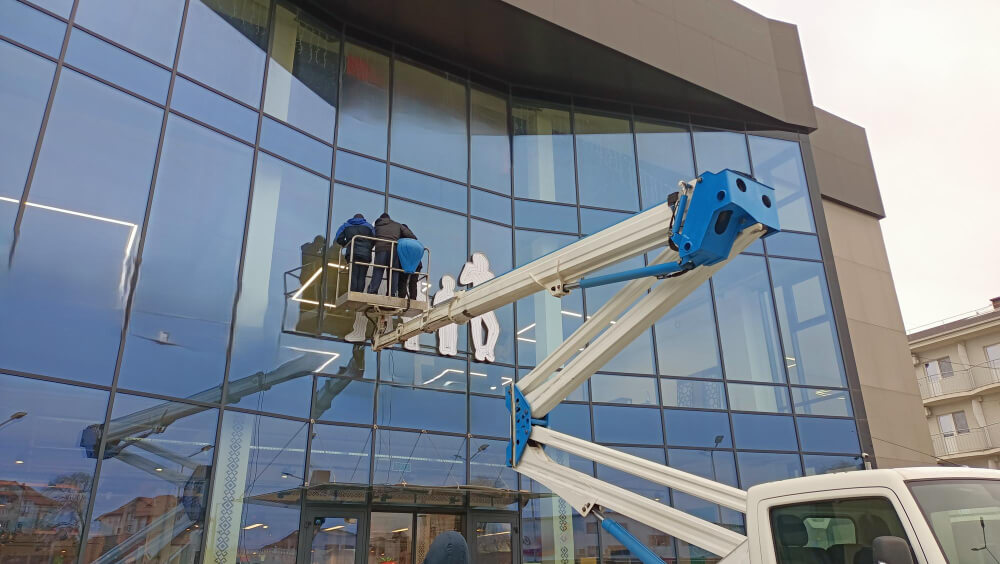
Narrow Industrial Lanes and Tight Spaces
Puchong’s industrial zones often have narrow lanes between units, leaving little room for large machines to manoeuvre safely.
- Compact scissor lifts fit through narrow factory lanes easily.
- Slim boom lifts manage tight turns without difficulty.
- Large truck-mounted units struggle in confined industrial spaces.
- Choose narrower models for restricted access points.
Paved Commercial Areas With Even Ground
Commercial buildings with flat car parks provide solid, even ground, making certain lift types more practical and stable to operate.
- Scissor lifts perform well on flat, paved surfaces.
- Even ground allows smooth, stable vertical movement upward.
- Suitable for shopping centres, offices and retail units.
- Reduces setup time due to solid, reliable flooring.
Residential Areas With Grass or Slopes
These areas are mostly found covered with feature grass, slopes, or soft soil; that’s why sturdier equipment built for uneven outdoor terrain is required.
- Rough-terrain lifts handle grass and soil confidently.
- Sturdy tyres provide grip on sloped surfaces.
- Suitable for garden maintenance and landscaping tasks.
- Reduces risk of tipping on uneven ground.
Skylift vs Scaffolding for Modern Projects
Both skylifts and scaffolding help workers reach height safely, but they suit different types of projects. Scaffolding remains fixed in one place throughout the work, while a skylift can move around the site as needed. Understanding these differences helps you choose the option that saves time, reduces labour and fits your project schedule, rather than assuming one solution works for every job.
Factor | Skylift | Scaffolding |
Setup time | Ready to use within minutes | Takes hours or days to erect |
Mobility | Moves easily between work areas | Fixed in one position throughout |
Labour needed | Usually one trained operator | Requires a larger setup team |
Best suited for | Short-term or multi-location tasks | Long-term work in a fixed spot |
Site footprint | Compact, minimal ground space used | Occupies a larger area underneath |
Cost over time | Often lower for short projects | Can rise with longer rental periods |
Signs You Are Using the Wrong Access Equipment
Using the wrong equipment often shows up in small, repeated problems on site rather than one obvious failure. Workers may struggle with positioning, ground conditions, or reach, slowing down the entire task. Recognising these signs early helps you switch to a more suitable skylift before delays, safety risks or added costs affect your project timeline.
Frequent Repositioning and Delays
Workers constantly moving or adjusting the lift is a clear warning sign. This wastes time that should go towards completing the actual task.
- Lift cannot reach certain angles without moving.
- Workers stop work often to reposition equipment.
- Setup time exceeds the time spent working.
- Progress slows down due to repeated adjustments needed.
Unstable Ground or Poor Fit
If the lift struggles with the ground surface, it becomes unsafe and unreliable throughout the working day. This mismatch often points to the wrong machine type.
- Wheels sink into soft or uneven ground.
- Lift feels unstable on slopes or gravel.
- Machine is too wide for the space.
- Ground conditions do not match lift requirements.
Equipment or Unsafe Workarounds
When workers add ladders or extra platforms to reach their task, it signals the lift is not suited to the job at hand.
- Workers use ladders on top of platforms.
- Extra tools are needed to extend reach.
- Task requires unsafe manual workarounds regularly.
- Safety harnesses feel insufficient for the setup.
How the Right Skylift Can Reduce Project Costs
Renting the correct skylift does more than get workers to heights safely; it directly affects your overall project budget. The wrong equipment often leads to wasted rental days, extra manpower, and unexpected delays that add up quickly. Choosing a skylift that matches your task, site conditions, and required height from the start helps you avoid these hidden costs. Over the course of a project, this careful planning can make a noticeable difference to your total spending, without compromising on safety or efficiency.
Fewer Workers Required on Site
A well-matched skylift often needs just one trained operator to complete the task safely. This reduces the number of workers required on site, lowering daily labour costs while keeping the project moving at a steady, efficient pace throughout.
Less Wasted Rental Time
When the skylift suits the job properly, tasks are completed faster without repeated repositioning or workarounds. This means fewer rental days are needed overall, helping you avoid paying for extra time that adds no real value to the project.
Lower Risk of Accidents and Delays
Using the right equipment reduces the chances of instability, falls, or equipment damage on site. Fewer accidents mean fewer unexpected delays, medical costs, or repair expenses, helping the project stay within budget and on its planned schedule.
Areas We Support Around Puchong
Our skylift rental service in Puchong covers a wide range of nearby locations, including Bandar Puchong Jaya, Puchong Utama, Bandar Kinrara, Taman Perindustrian Puchong, and IOI Business Park. We also support surrounding areas such as Subang Jaya, Petaling Jaya, Seri Kembangan, and Puchong South. Wherever your project is located, our team can help you find the right skylift and deliver it on time.
Conclusion
Projects which are dealing with height perform smoothly by selecting the right equipment. Your one decision can design your whole project; that’s why you take time to choose. First, identify your needs, working height, and site conditions; this helps you avoid delays and unnecessary costs later on. A skylift rental in Puchong gives your teams not just the ability to work with confidence but also safety, no matter how demanding the site.
Before your next project begins, review these factors carefully and speak with your rental provider about your specific requirements. With the correct planning and equipment in place, you can complete your work on schedule, within budget and without compromising on safety standards.